

Introduction
When it comes to learning, the approaches and sciences behind adult and child learning are radically different. Malcolm Knowles’ Adult Learning Theory provides corporate trainers with a proven framework to enhance their training programs. 📚Whether you are transitioning from another career or just haven’t researched adult learning theory, we’ve got you an easy and straightforward breakdown to get you started. Because when it comes to adult learning theory, it’s not just about delivering content; it’s about understanding how adults learn, what motivates them, and how we can tailor our training to make it more effective.
The History of Malcolm Knowles’ Adult Learning Theory
Malcolm Knowles was a pioneer in the field of adult education. His work in the mid-20th century fundamentally transformed how we view adult learning. Born in 1913, Knowles initially started his career in adult education in the military, teaching American soldiers basic literacy skills. Over time, he observed that teaching adults required a different approach than teaching children, which led him to develop the theory of andragogy, the art and science of helping adults learn. ✨
Knowles’ framework was rooted in several foundational beliefs about adult learners, which he defined as distinct from children, who are traditionally taught using pedagogy. If you’re interested, you can find his book “The Modern Practice of Adult Education: From Pedagogy to Andragogy“, which introduced and popularized the term andragogy. 📖
Understanding Andragogy vs. Pedagogy
To understand Knowles’ contributions, it’s essential to recognize the distinction between pedagogy (the process of teaching children) and andragogy (the approach to learning for adults). Think of pedagogy as the traditional “sit down, be quiet, and listen” model of education that dominates in K-12 classrooms. With this approach, the teacher lectures and assigns work, while students are expected to absorb and memorize the material with little to no control over how they are taught and what they are forced to learn. 🧑🏫
Andragogy, on the other hand, is more learner-centric. It recognizes that adults bring life experience, skills, and knowledge to the learning environment, making them active participants in their education. Adults are typically more self-directed, goal-oriented, and problem-focused than children, and they need learning to be relevant and immediately applicable to their lives. 🧠💡
The Core Principles of Knowles’ Adult Learning Theory
So, what are the key principles of adult learning according to Knowles? Here’s a breakdown of his six main facets of the theory.
1. Adults Are Self-Directed Learners
Unlike children, who rely heavily on teachers and authority figures to guide their learning, adults tend to prefer taking control of their own education. They like to feel empowered and make decisions about what and how they learn. ✍️
There is a reason that annual re-training is so painful for all of us. It’s because we have no control over what or how we are learning in that situation. We have to take and retake that same old, tired compliance training.
2. Adults Bring Experience to the Table
Adults don’t enter the classroom as blank slates. They bring years of personal and professional experience, which they leverage when learning new concepts. This leads adult learners to prefer learning that builds on what they already know. 🌱
If you have ever wondered why the “appropriate use of analogy” is on just about every trainer observation form ever made, look no further. An analogy compares something that is commonly understood to a new or complex concept. Its use in training will help make the topic relatable in a way that builds on the adult learners’ past experience. 🤖
3. Adults Are Goal-Oriented
Adults typically engage in learning with a specific goal in mind. Whether it’s to get a promotion, improve their job performance, or acquire a new skill, they are motivated by the practical application of the knowledge they’re gaining. This is in contrast to children, who tend to have externally set goals prescribed by teachers, educators, and parents. 🎯
4. Adults Are Relevancy-Oriented
Adults need to know why they are learning something and how it will be useful to them. They aren’t interested in theoretical knowledge for the sake of it; they want to know how learning a new skill or concept will impact their work or personal life in a positive way. 🔄
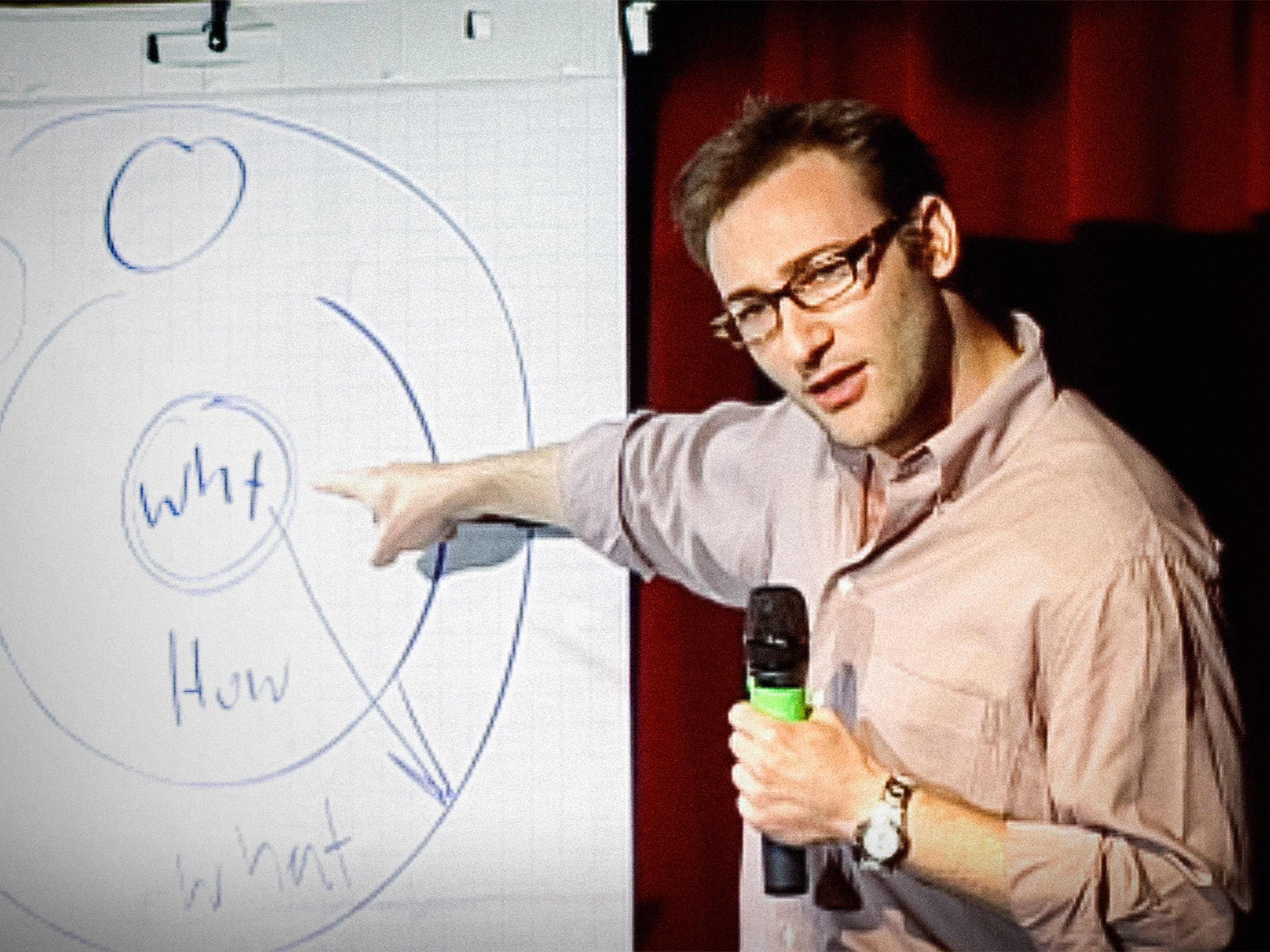
This is a direct parallel to Simon Sinek’s book, “Start With Why“. The book explores what motivates people and gets them interested in something. Simon discusses how starting with why something should be paid attention to will capture people’s attention much faster than explaining how it works or what it does. 🔍💼
5. Adults Are Practical Learners
Adult learners are problem-focused and want learning that is practical and applicable to their current work or life situations. They don’t want abstract theories; they want to solve real-world problems. This means that adults want to be able to walk out of the room knowing something or being able to do something better than they did prior to the training. 🛠️
You might remember Mr. Miyagi having Daniel perform mundane tasks like waxing cars and painting fences in “The Karate Kid”. Daniel is frustrated with the tasks because he can’t connect them to a practical application. Only later does he realize that the movements are teaching him essential martial arts techniques. While Mr. Miyagi was able to get away with this with an adolescent, an adult student would have been much more resistant to this method. 🥋
6. Adults Are Internally Motivated
While external factors, such as promotions or pay raises, can motivate adults, they are primarily driven by internal desires, including self-improvement, personal satisfaction, or the need for greater autonomy in their jobs or lives. 💪
Applying Knowles’ Adult Learning Theory in Corporate Training
So, how can these principles be applied in the modern-day corporate classroom? Let’s explore a few actionable strategies corporate trainers can adopt to make their training sessions more effective using Knowles’ adult learning theory. 💼📈
1. Start with the why
Since adults need to know why they are learning something, clearly communicate the relevance of each training session. Always start by answering the “What’s in it for me?” (WIIFM) question for your learners. 📋
Corporate trainers can do this by:
– Beginning each session with a clear explanation of how the material will benefit the learner in their current role or career path.
– Relating course content to real-world applications within the company.
– Providing examples of how the skills being taught can directly improve job performance.
For instance, when training employees on a new software system, don’t just focus on how to use the tool. Show how mastering the software will save them time, make their jobs easier, or help them deliver better results.
2. Incorporate Real-World Experiences
Tap into your learners’ prior experiences and encourage them to apply their knowledge during training. Adults learn best when they can connect new information to their existing knowledge base. 🌐
Ways to do this include:
– Facilitating discussions where learners share their professional experiences related to the topic.
– Incorporating case studies that mimic real-world problems learners may encounter in their jobs.
– Designing role-playing exercises where learners act out scenarios from their day-to-day work.
For instance, when training customer service representatives, use real customer interactions as case studies and have learners analyze and discuss how to handle challenging situations based on their past experiences.
3. Facilitate conversation
Adults thrive when given autonomy in their learning. Instead of lecturing, ask thought-provoking questions that lead the conversation toward the learning objectives. This will tap into adults’ preference to direct their own learning path. This can be done by: 🗣️
– Allowing learners to contribute to the topic through a dialogue.
– Create moments for them to reflect and share ideas with the broader group.
– Keep the conversation on track, but be mindful that segways are inevitable.
For example, if you’re training a group of mid-level managers on leadership skills, give them the option to explore different leadership theories on their own through pre-work before coming together for a group discussion. Let them take charge of their learning journey.
4. Focus on Problem-Solving
Because adults are problem-focused learners, frame your training sessions around solving practical, work-related issues. Avoid theoretical knowledge and instead focus on how learners can use the material to address challenges they currently face. 🧩
Strategies for making your training more problem-focused include:
– Presenting real-world challenges that learners are likely to encounter in their jobs and asking them to work through potential solutions.
– Encouraging learners to bring up challenges they’ve faced and brainstorming ways to apply the material to solve those problems.
– Structuring learning modules around common workplace issues, then guiding learners through practical exercises to address those issues.
For example, in a project management training session, present a common challenge, such as how to manage a project that’s fallen behind schedule, and ask learners to work together to develop a strategy to get the project back on track using the skills they’ve learned.
5. Support Internal Motivation
Lastly, recognize that while external rewards like promotions or bonuses can be motivating, most adult learners are primarily driven by internal factors. Corporate trainers can tap into this by fostering an environment that supports intrinsic motivation. 🌟
Some ways to do this include:
– Recognizing individual learner achievements and growth throughout the training process.
– Encouraging self-reflection so learners can track their own progress and improvement.
– Foster a sense of accomplishment through challenging but achievable learning goals.
For example, at the end of a long training program, give learners an opportunity to reflect on what they’ve gained. Ask them how they’ll apply their new skills in their roles and how it has enhanced their professional development.
Conclusion
By understanding and applying Knowles’ adult learning theory, corporate trainers can create more engaging, effective training programs that resonate with adult learners. But it’s not just about the theory; it’s about creating a learner-centric environment that empowers employees to take charge of their own development, connect new knowledge to their experiences, and apply what they learn to solve real problems. 🌍💼
Knowles’ principles aren’t just a roadmap for trainers; they’re a mindset shift. If you, as a corporate trainer, can tap into the self-direction, experiences, motivations, and problem-solving nature of your adult learners, you’ll create a learning environment where participants are not just present but fully engaged, motivated, and dare I say, inspired. 📈✨
So, the next time you step into the corporate classroom, remember, your learners aren’t blank slates. Your job is to guide them, not dictate to them, and Malcolm Knowles has provided the perfect map for that journey. 🛠️🎓
When you’re ready, here are some ways I can help:
Corporate Trainer Workshops
Need to upskill your team on a specific live or virtual training topic? I’ll work with you to identify the needs of your team and facilitate a hands-on workshop where you need it, when you need it, how you need it.
Consultation and Coaching
Need advice on a training project, your development process, or leading a training team? How about landing your next facilitator job? I’ll consult with you and help you be successful.
Custom Instructor-Led Training Development
Transforming your learning objectives into engaging and effective instructor-led training. Virtual or live, from development to train-the-trainers, we have your training needs covered.